Attending the History Leadership Institute of the American Association for State and Local History (AASLH)
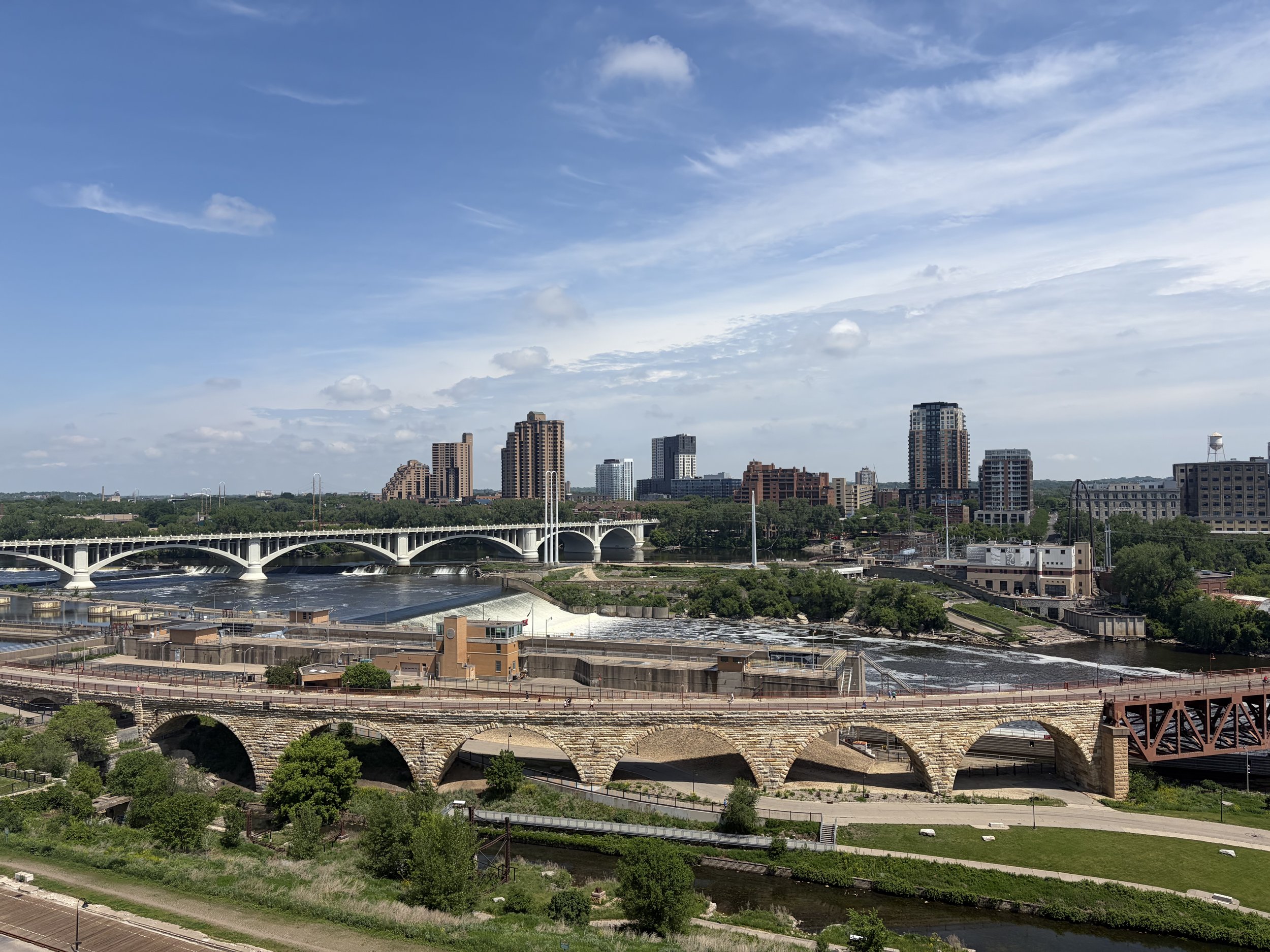
View from the Mill City Museum in Minneapolis
Angelica Diggs, executive director of the Montclair History Center (MHC), sat down with MHC Trustee Helen Fallon to unpack her experience at AASLH's History Leadership Institute (HLI), a two-week intensive in Minneapolis that she half-jokingly described as "adult museum camp” (in the best possible way). Founded in 1959, HLI has quietly shaped generations of mid-career museum professionals; this year, Angelica was one of 19 people selected for the cohort.
How she got there Angelica first heard about the program through another HLI alum. She sat on the idea for a couple of years before applying for the 2026 program — partly because a two-week absence from a small organization is no small ask and requires real institutional buy-in. She first ran the idea by Helen and Board President Elizabeth Hynes, immediately gaining the enthusiastic support of the trustees and her staff who promised to hold down the fort in her absence. She ultimately attended as a scholarship recipient, which she credits with making the opportunity possible for a small nonprofit like MHC.
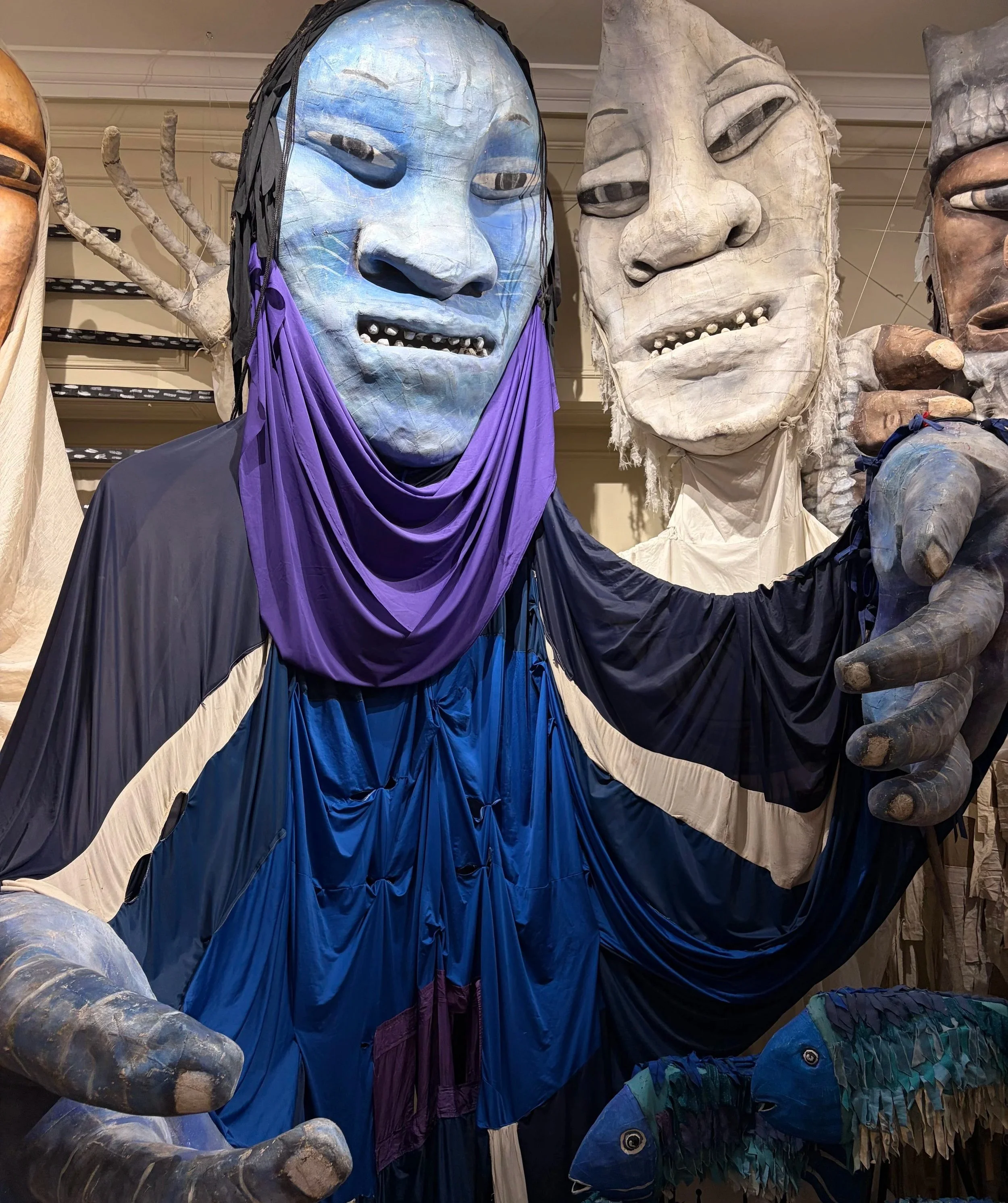
Circle of Water: Puppetry As An Agent of Change at the Hennepin History Museum
The structure The program comprised three interwoven strands: personal leadership work done together as a group, a diverse cast of expert guest speakers (finance, communication, interpretation), and site visits. The program was hosted at the Mill City Museum, with trips to the Minnesota History Center, Fort Snelling, and the Hennepin History Museum. That last stop at Hennepin really resonated with her: a small historic site that had reinvented itself around community-built exhibits.
What's sticking The through-line of the whole program, Angelica said, was a single question: “How do we lead, and why?” Much of the work centered on identifying personal values — not workplace values, but the ones that actually drive people — and then examining whether daily leadership decisions line up with them.
That exercise didn't stay theoretical. She's already scheduled a values-mapping exercise with her own staff and intends to conduct one with board members as well, something she picked up directly from a first-day cohort activity.
The bigger shift is more subtle: a push toward more deliberate relationships in the community, with deeper connections driven by genuine curiosity…getting to the “why” that drives individuals and community groups to MHC.
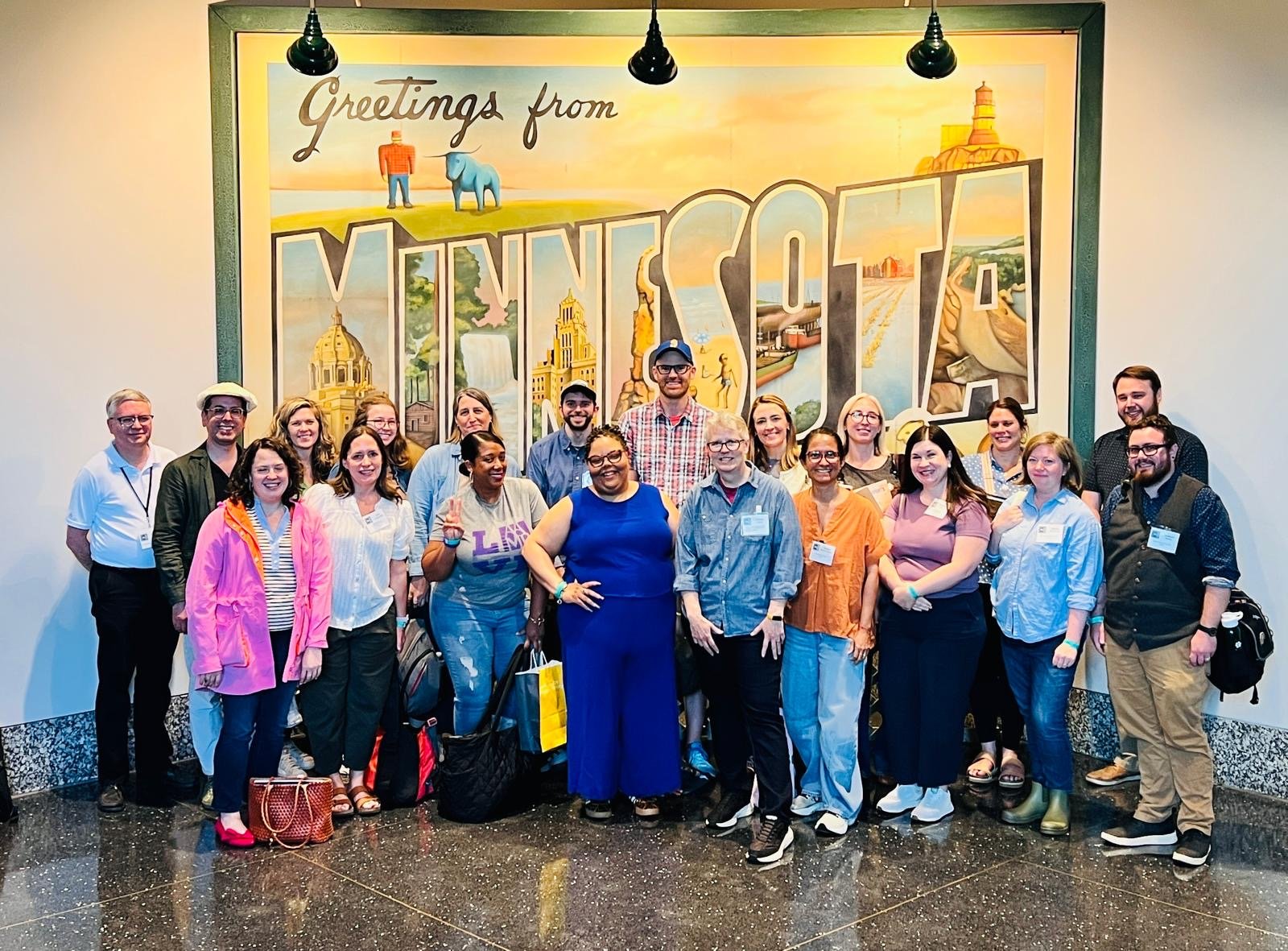
The human side Angelica was candid about the toll and the reward: the first week away from her family and animals was hard, the second easier once routines and friendships set in. She's already staying in touch with cohort members via a group chat, has plans to visit fellow alumni's museums, and is continuing through five additional virtual follow-up sessions with the same group.
For a small organization like Montclair History Center, sending a leader away for two weeks is a real investment. Based on what Angelica brought back — a values exercise already on the calendar, a sharper eye for community partnership models, and a cohort of lifelong colleagues across the country — it's one that's already paying off.