Researched and written by Agnes Liloia. Photo credit to Agnes Liloia and Valerie Saporito.
A complete understanding of local history embraces not only people and historic buildings, but also the land and the life that lives upon it. Natural history and ecology tells its own interesting story, and informs our understanding of human history; we cannot separate people from their interactions with the world around them. In ways big and small, our world is shaped by the natural world. By learning about the native plantings and habitat of the Meadow at the Montclair History Center, we gain a better understanding of Montclair, and uncover some really interesting (and cute) creatures along the way!
Multiple cardinals reside around our gardens. These songbirds live much longer than other similar birds. The oldest cardinal in the wild was found to be fifteen years old! The cardinal is unique because the female birds, not just males, sing complex songs. Have you heard the song of the cardinals?
The eastern goldfinch is New Jersey’s state bird, and our gardens are home to a pair of them! Goldfinches thrive in Meadow habitats that have a high concentration of seeds, which make up the entirety of their diet. In fact, this bird is a strict vegetarian, and almost never consumes other animals. The eastern goldfinch is one of the few native birds that has thrived with habitat disruption, as it prefers the weedy growth of areas shortly after being cut.
Many other birds stop by our Meadow, as daily visitors or traveling migrants. An island of native seeds and insects serves as a delicious and safe stopover for many migratory animals, as well as insects. What other birds do you see in Montclair?
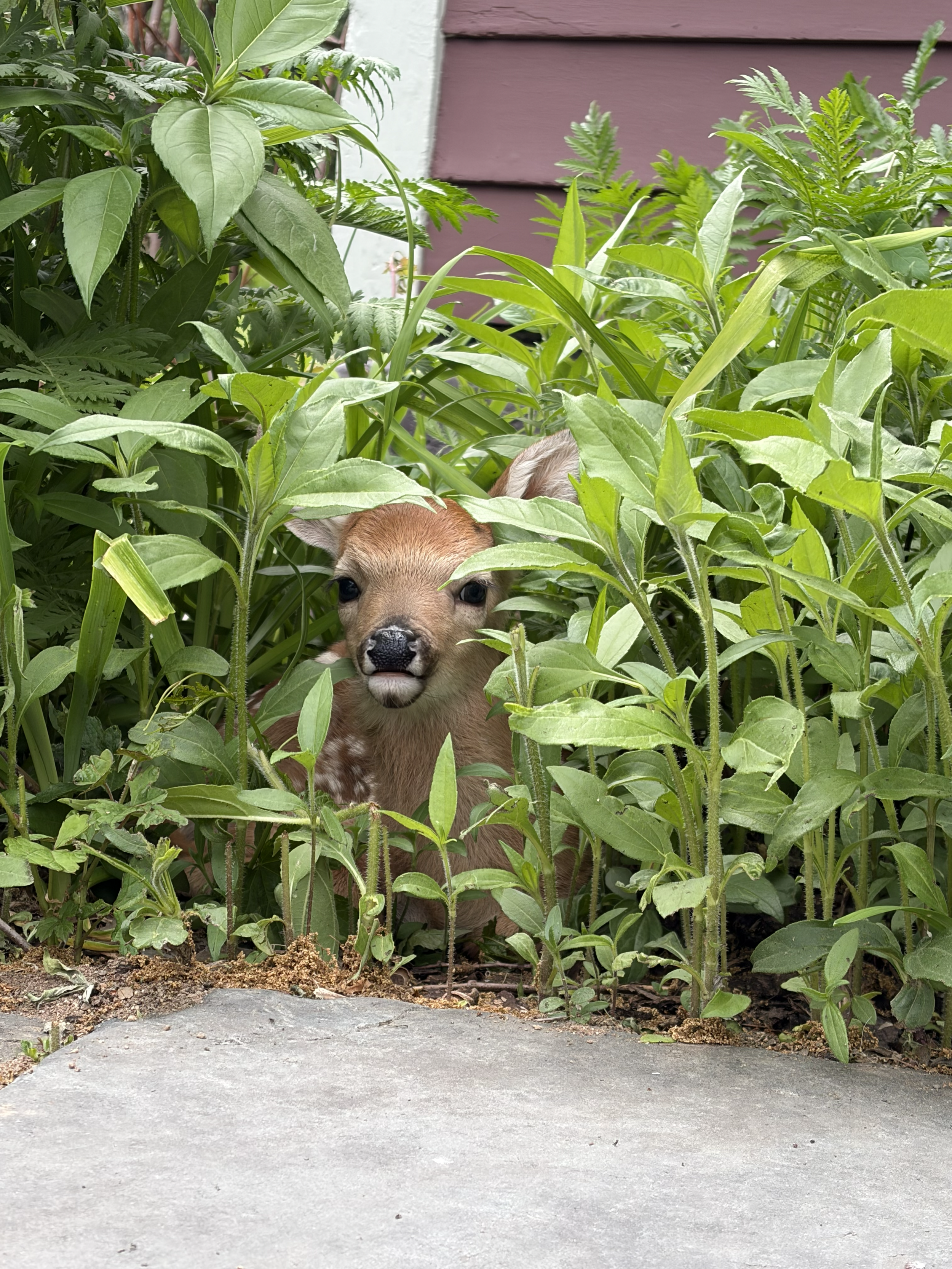
This year, we saw baby deer born and raised in the Meadow. These cuties hide in vegetation for the majority of the day, only moving when people come very, very close. Baby deer are raised in the meadow because it is a safe space to be tucked away during the day and healthy for them as new young. While it can seem like they are lost and abandoned, the mother is likely grazing only a short distance away and returns often to feed her young. Once endangered, the white-tail deer has since rebounded and is a very common sight in Montclair and other suburbs of New Jersey, where they thrive among gardens, lawns, and their many hiding spots. While non-native plants are easily destroyed, our Meadow is resistant to deer and able to withstand grazing from the animals visitors. White-tailed deer have fantastic vision, able to process visual images faster than humans. In many places, including New Jersey, they are overpopulated due to a resistance towards reintroducing ecologically necessary predators like wolves and mountain lions.
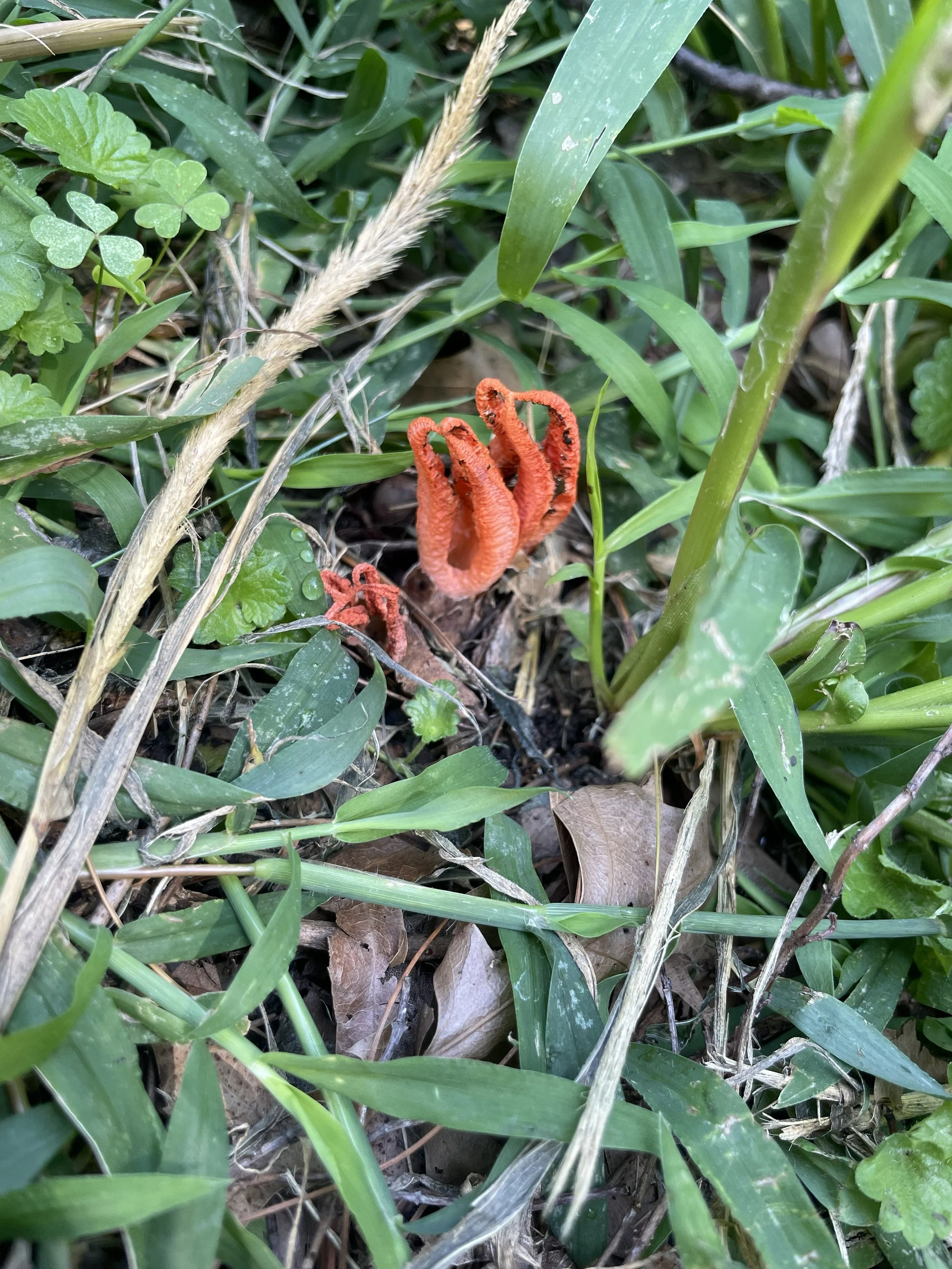
This strange looking fungus is a type of stinkhorn mushroom, known for their alien shapes and horrible odors. As a flower attracts insects to spread its pollen, the smell of this fungus attracts decomposing insects that spread its spores. They are found worldwide and love woody and disturbed soil - like our mulch piles!
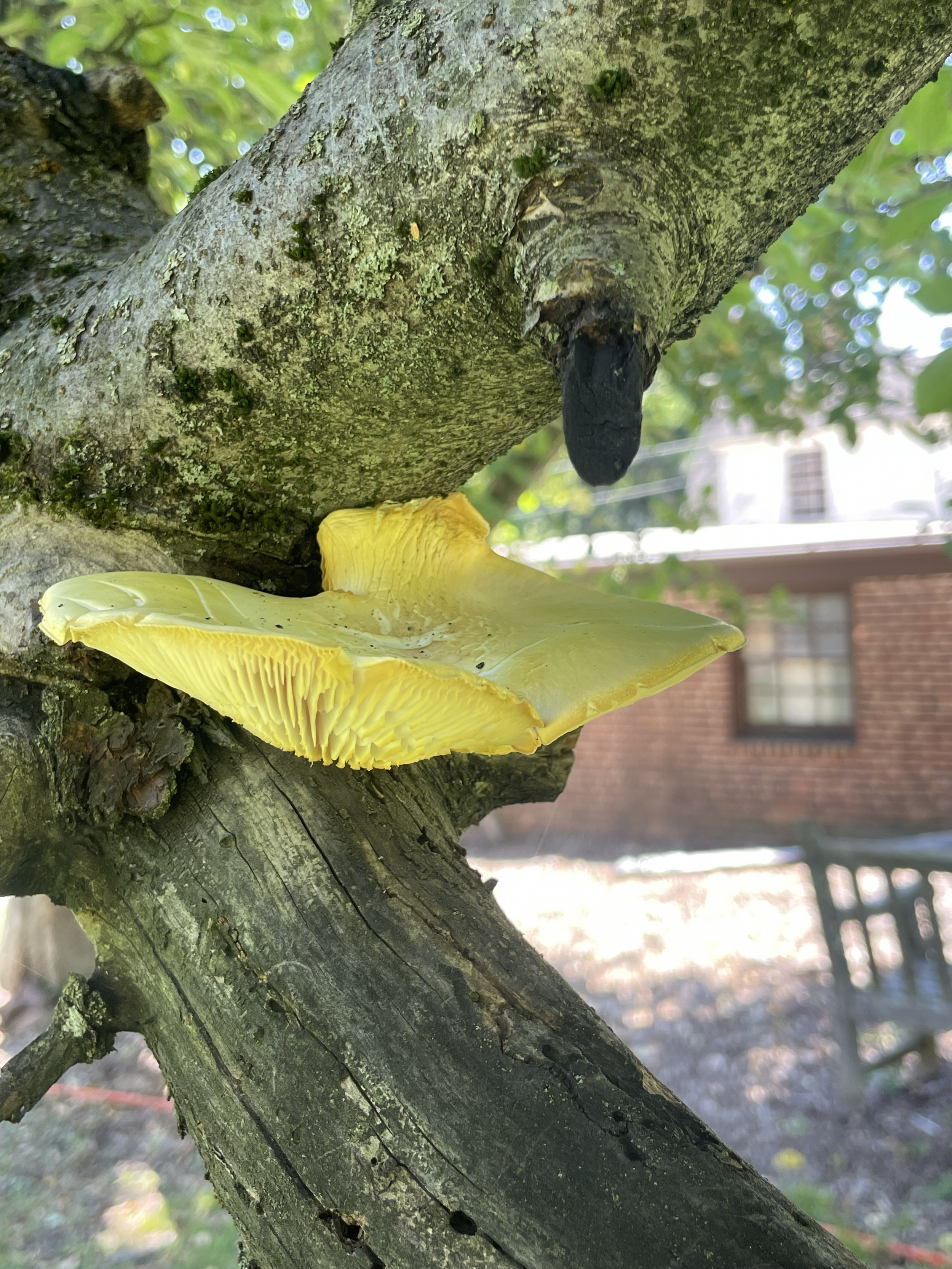
Found on trees and decaying wood, this mushroom eats dead wood and causes it to rot. This makes it an important decomposer. It can even kill and digest small worms! However, this doesn’t harm the tree it finds itself on. They are a very common type of mushroom and can be found across the world. Some versions are edible and delicious (though you should never eat a mushroom when you aren't certain of its provenance.)
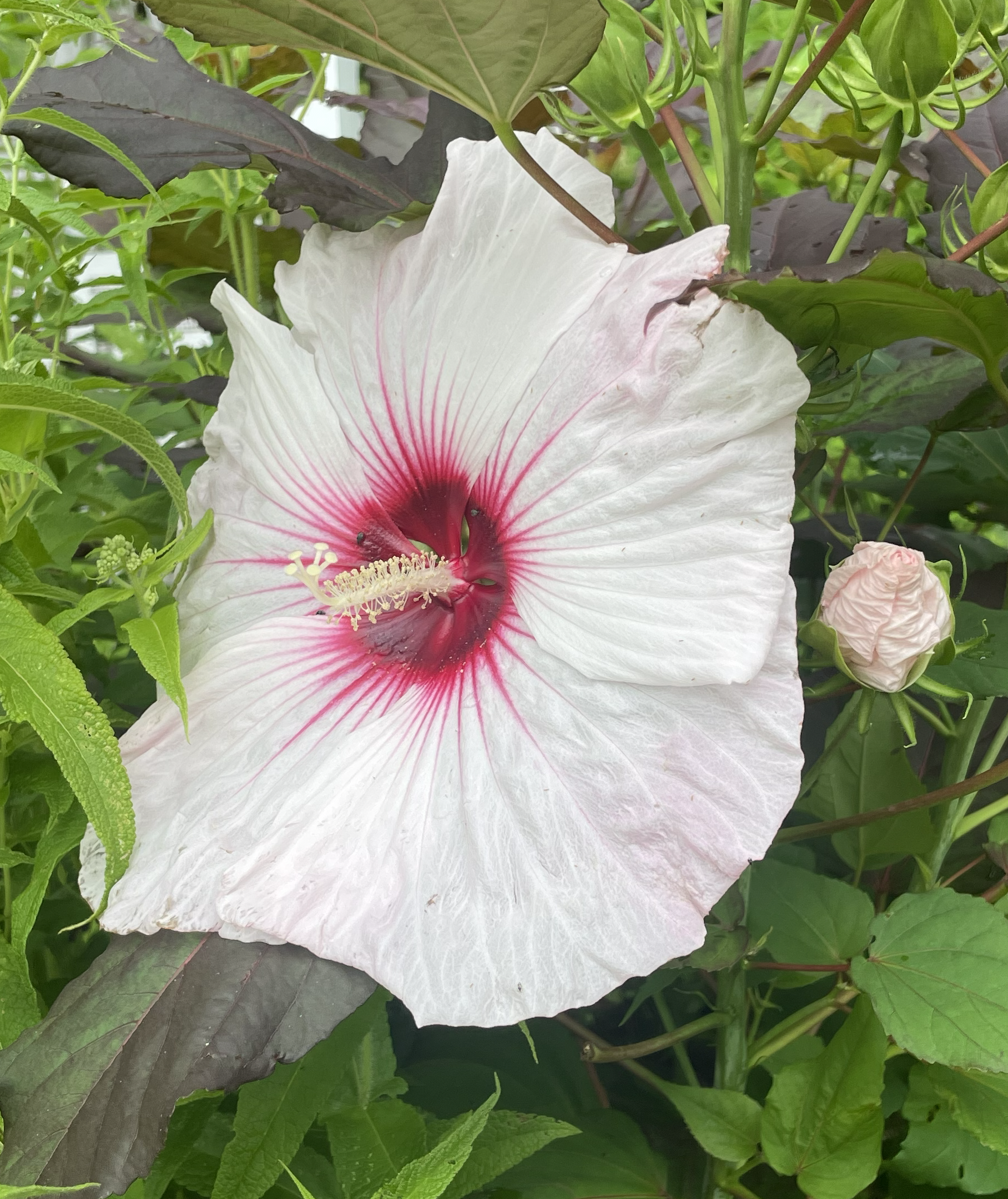
A North American native and a beautiful ornamental plant, species of hibiscus can be found from Southeast Asia to Hawaii to the Southeastern US. These giant flowers bloom annually and attract many insects. Hibiscus flowers love warmth and wet; as the climate changes, New Jersey’s climate becomes more similar to a hot, wet, stereotypically “Southern” climate that these flowers love.
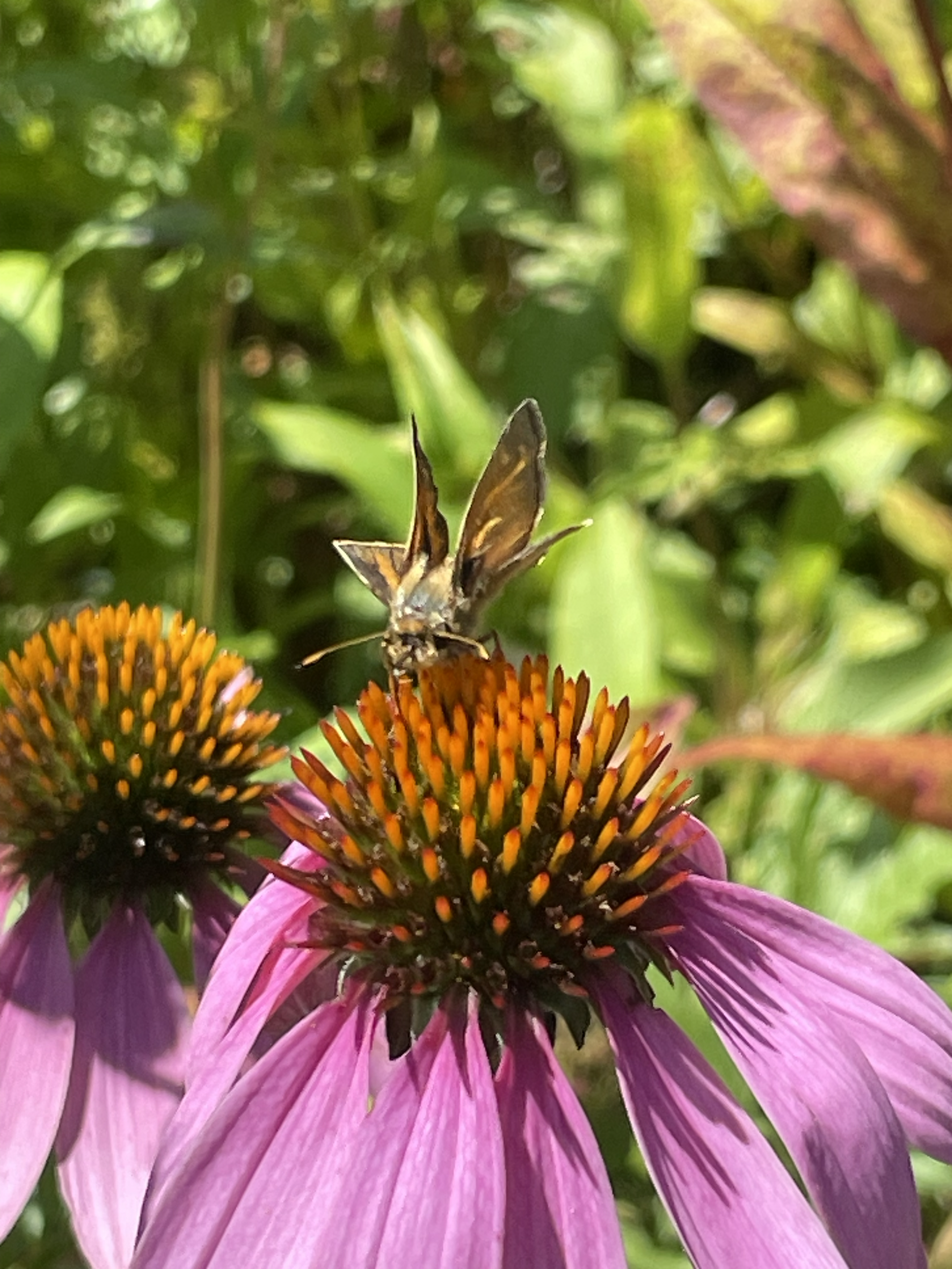
Purple coneflower is a common native wildflower in the eastern US. The purple coneflower feeds many of the insects in our gardens, such as miner bees, honeybees, and sweat bees, but also many butterfly and caterpillar species. These flowers are beloved by swallowtail butterflies in particular. Chances are you’ll see one or two flitting about between the flowers when you pay a visit!
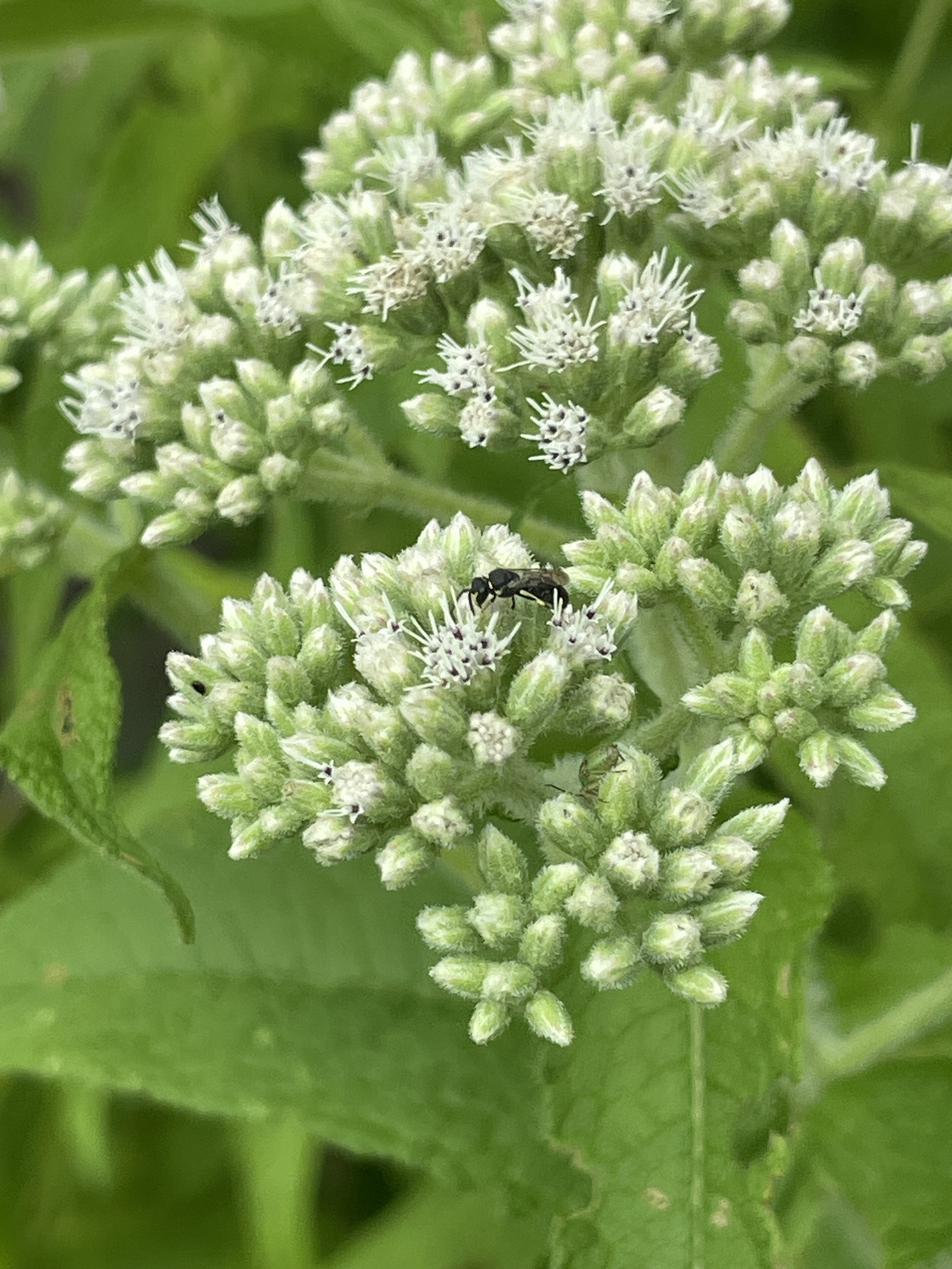
Boneset is a common small white native flower that has been historically used to treat fevers and sickness, which can be found in a massive range spanning from Canada to Texas. The flower contains a compound that encourages sweating, which became of interest to Native Americans, early colonists, and African-American communities in the 1900s. Traditionally used to treat dengue fever, any actual medically positive effects remain very suspect and unproven. It loves wet pastures and marshes and the periphery of swampy areas, and insects love it in return!
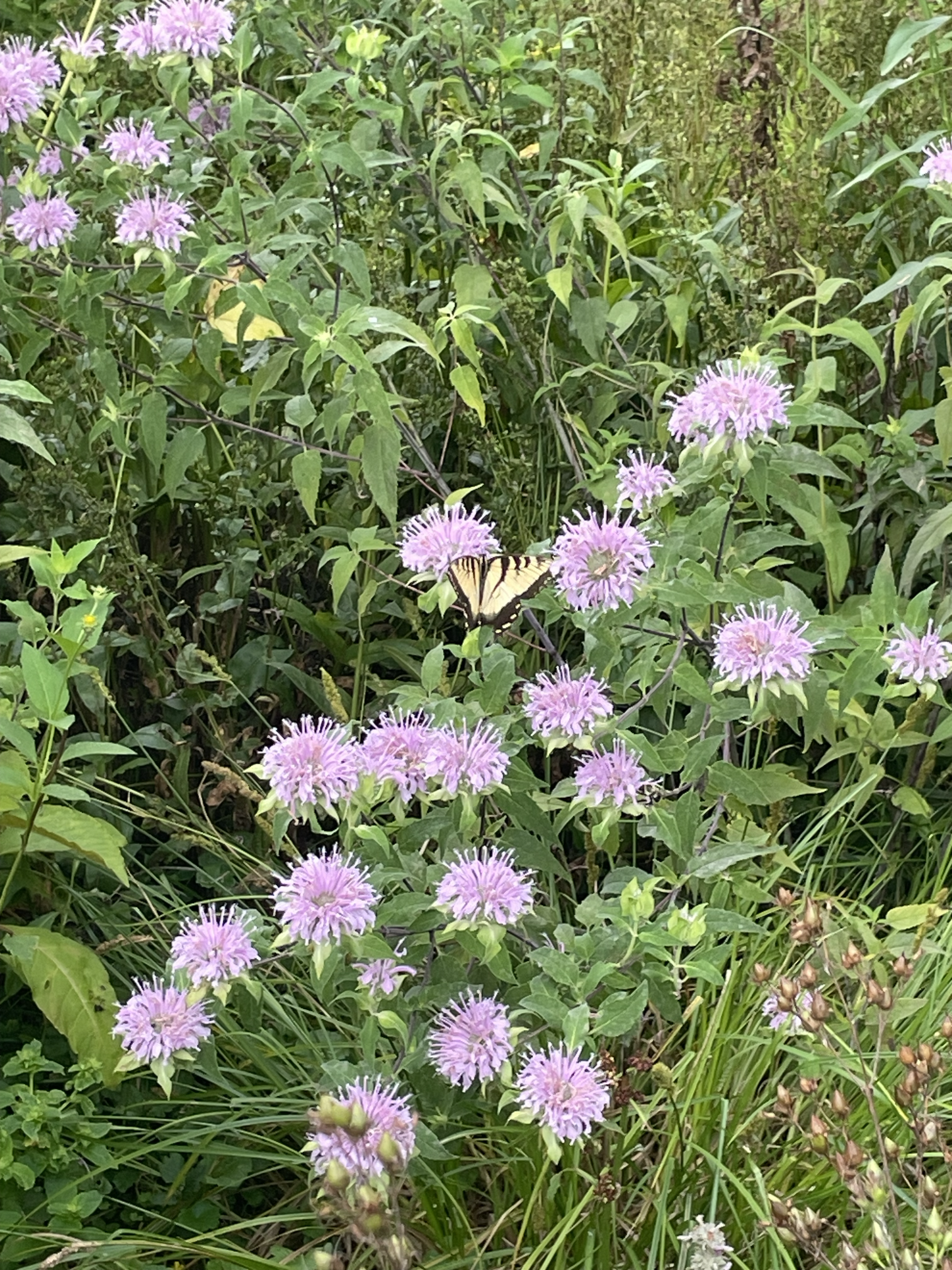
This is false bergamot. Otherwise known as “bee balm,” it has no relation to the true bergamot, which is a citrus plant. These clumping plants have a distinct smell that makes them beloved by some gardeners. Bees, hummingbirds, and many moths visit this flower; it is host to many types of caterpillars.
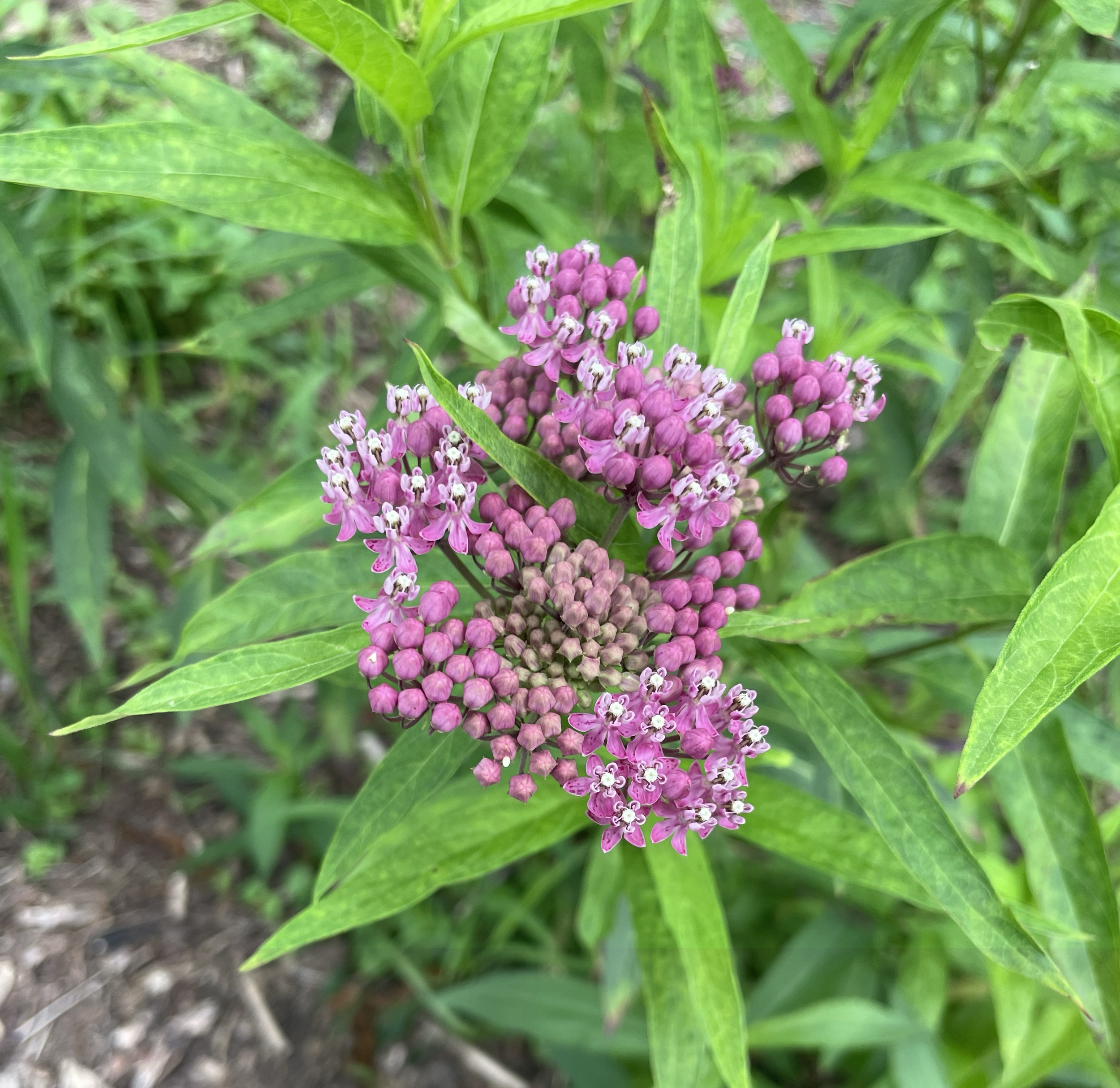
Swamp milkweed is THE essential host for monarch butterflies and their caterpillars. They can grow up to 5 feet tall and will come back every year. They love wet, swampy soil though they can tolerate regular garden soil well. Swamp milkweed repels most insects and mammals because it contains a noxious latex made of toxic steroids that cause sickness in anything not adapted specifically for it. This latex is the same type of material found in latex gloves and other products! Commonly found in butterfly gardens, populations of swamp milkweed are actually transient and can be found at the margins of swampy wetlands, moving with the borders of the water.
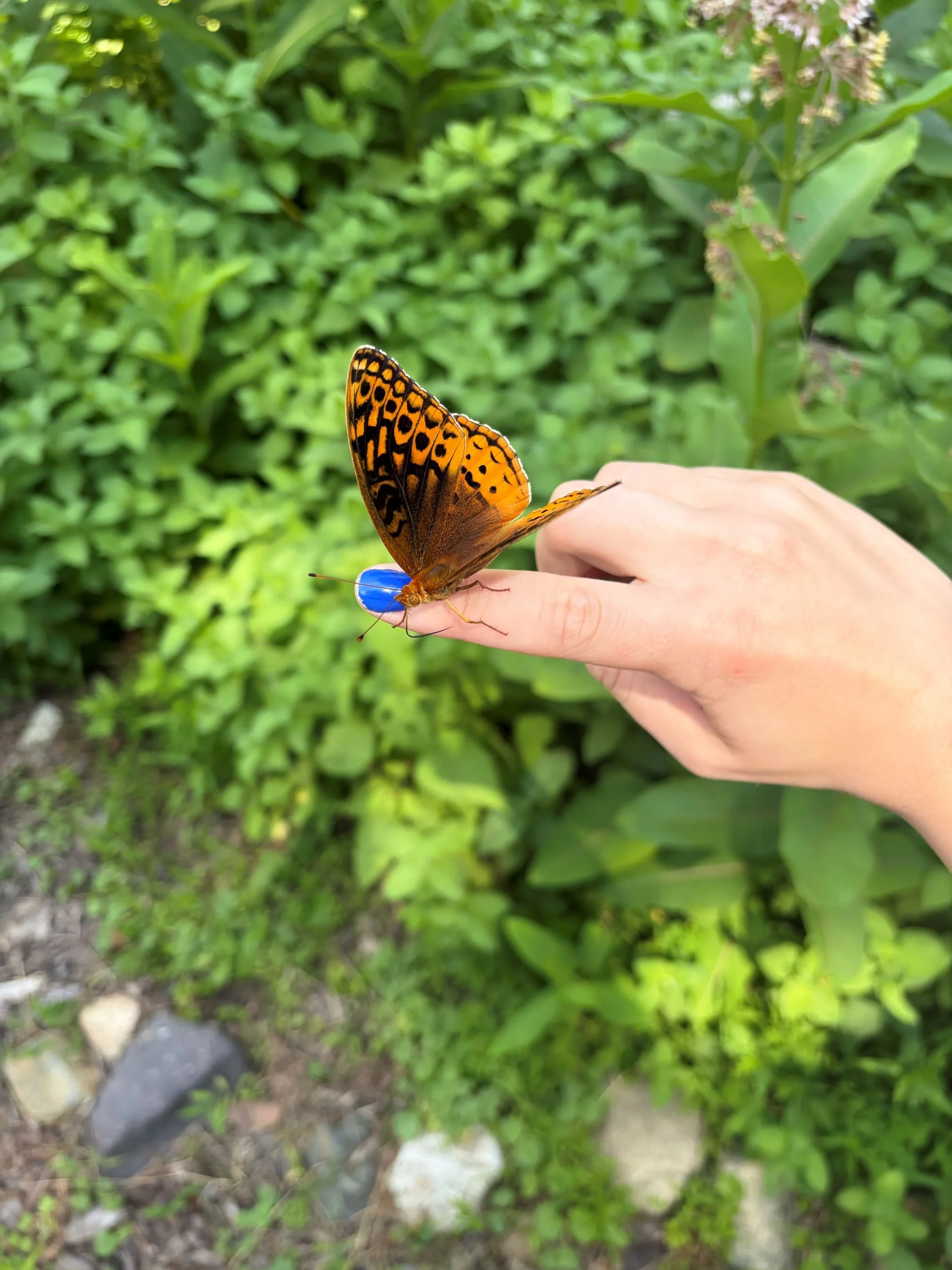
Our garden supports many types of insects. While some species rely on specific plants for all or part of their life cycle, we also have many other little visitors!
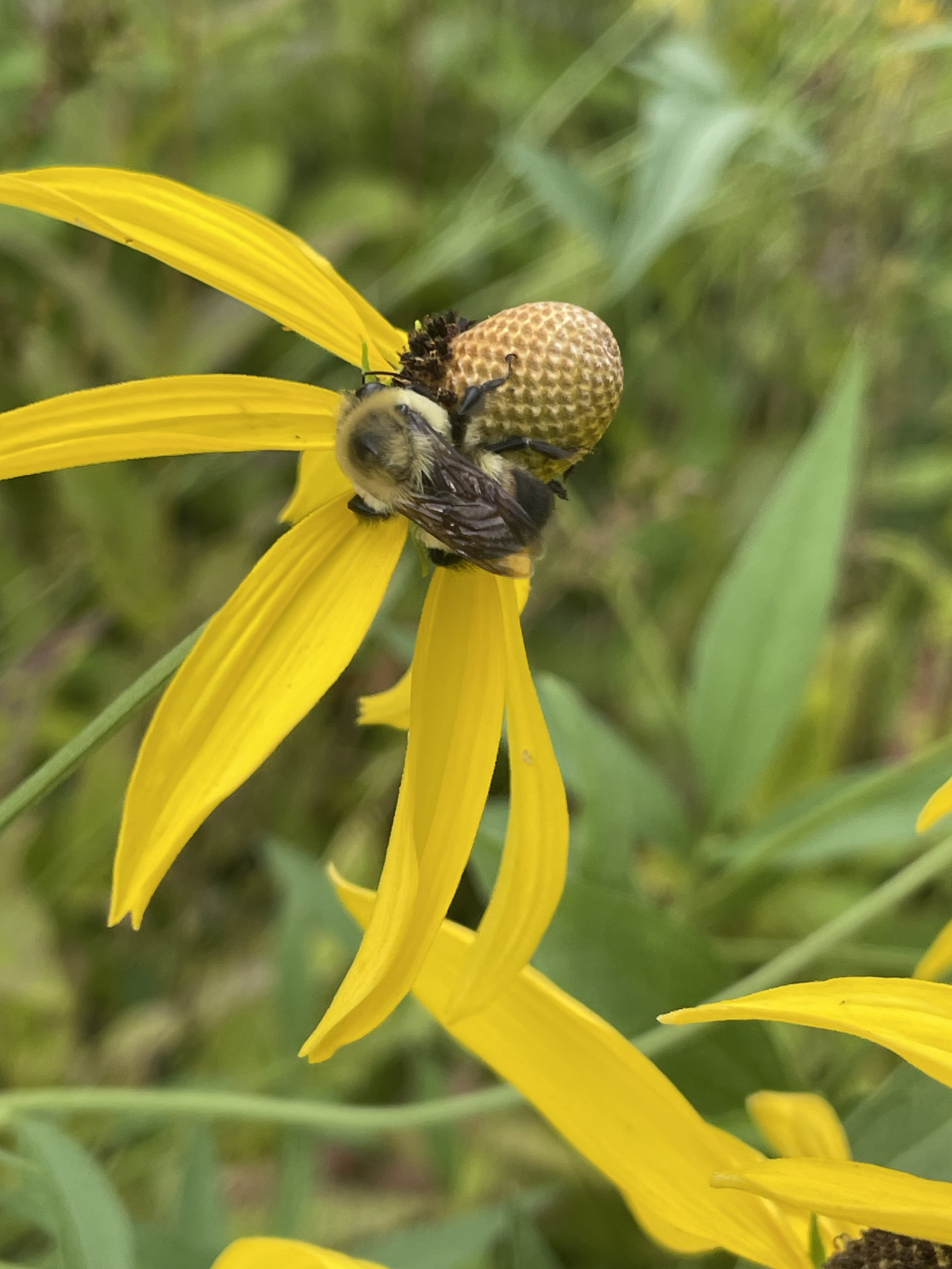
A visitor to the Meadow might notice many buzzing bees flitting to-and-fro, and a closer eye would reveal that many of them look different! The Meadow hosts native bees and is home to an installed honeybee hive maintained by Montclair Community Farms that uses land at the Montclair History Center. Many native bees do not make the stereotypical bee’s nest, but dig them into wood, dirt, or other materials. For example, the fast flying miner bees in our garden build their nests into the ground. These bees are smaller and faster than the common bumblebee, making them hard to spot except for their short rests from flying.
Though they may seem scary, the wasps in our garden are also valuable pollinators, and predators of pest insects. Adult wasps, similar to mosquitoes, only consume nectar from flowers. Their predatory habits are reserved for feeding their young. The Mason wasp is one of many species of wasps that are solitary, and do not live in hives. This wasp will hunt, sting, and paralyze small caterpillars before placing them in small constructed burrows. Then, the wasp will lay an egg that eventually hatches into a hungry grub that consumes the paralyzed insect.
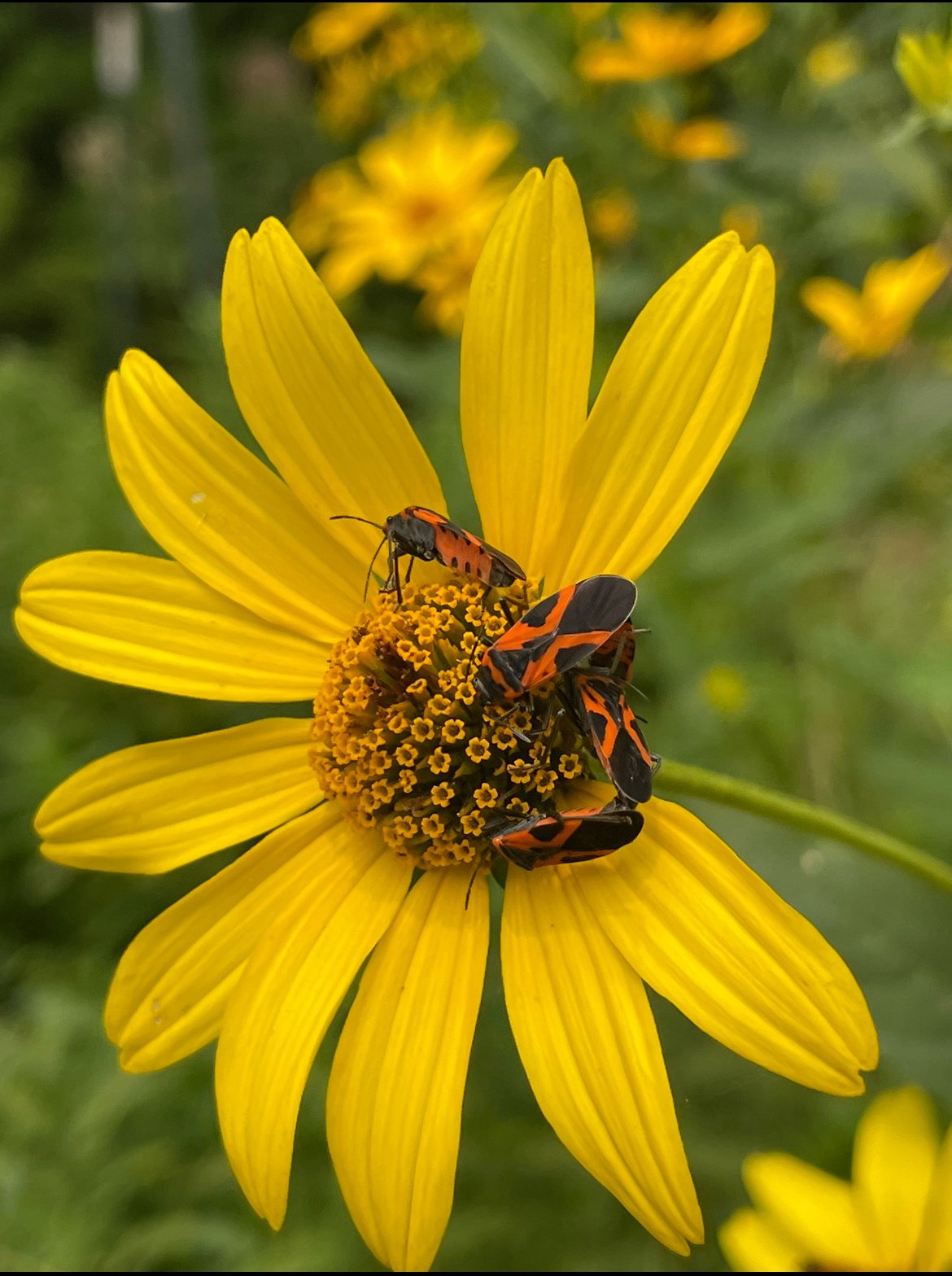
The false milkweed bug is native to New Jersey and exclusively lives and feeds on the false sunflower aster. They have a distinctive red-orange band on their backs that can be seen as they perch on the flowerheads. They look similar to many other “seed bugs,” but this species is herbivorous, while many others eat other insects or are opportunistic omnivores.
When you’re making your home in Montclair, how will you make space for all these amazing plants, animals, and fungi?